Why Does Paint Protection Film Leave Adhesive Residue After Removal
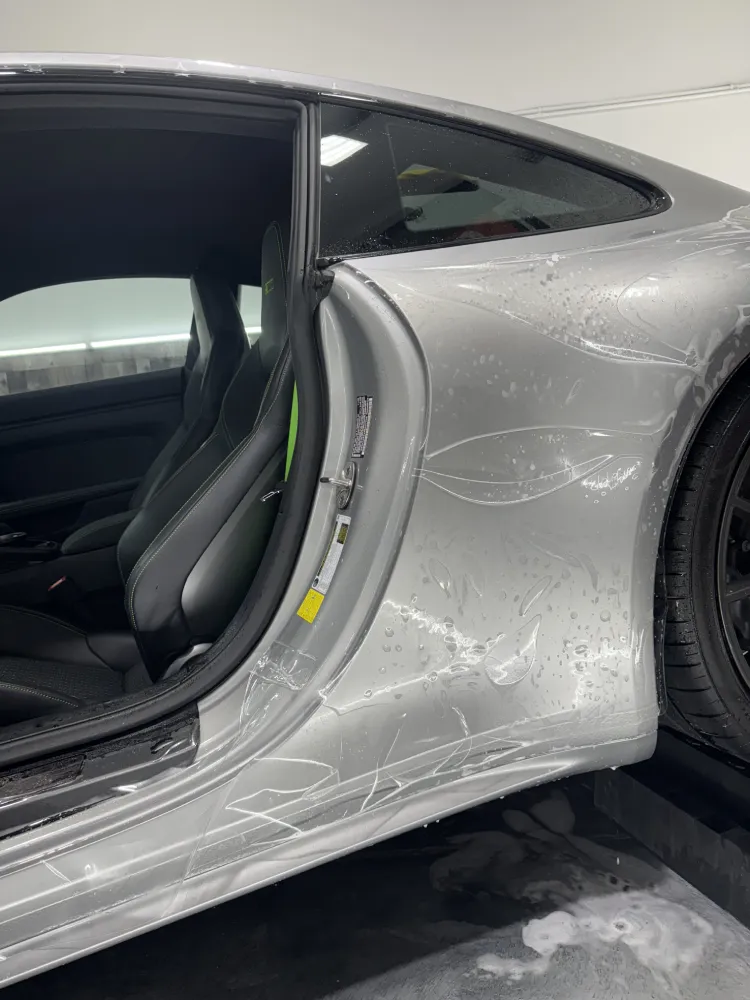
Paint protection film leaves adhesive residue because its acrylic adhesive chemically ages over time. UV exposure, heat, moisture, and oxidation cause the adhesive to harden

Paint protection film leaves adhesive residue because its acrylic adhesive chemically ages over time. UV exposure, heat, moisture, and oxidation cause the adhesive to harden

Paint correction is safely performed on thin-clear-coat luxury vehicle paint systems by measuring paint thickness before polishing, selecting the least aggressive polishing method that achieves

Windshield protection film does not reduce visibility because it is engineered to behave as an optically neutral extension of laminated automotive glass. In properly manufactured

Paint correction can be performed as either a single-stage or multi-stage process. A single-stage service uses a single machine-polishing step to improve gloss and reduce

Windshield protection film is highly effective at reducing long-term sandblasting damage caused by sustained highway driving. It works by absorbing and dispersing repeated micro-impacts from

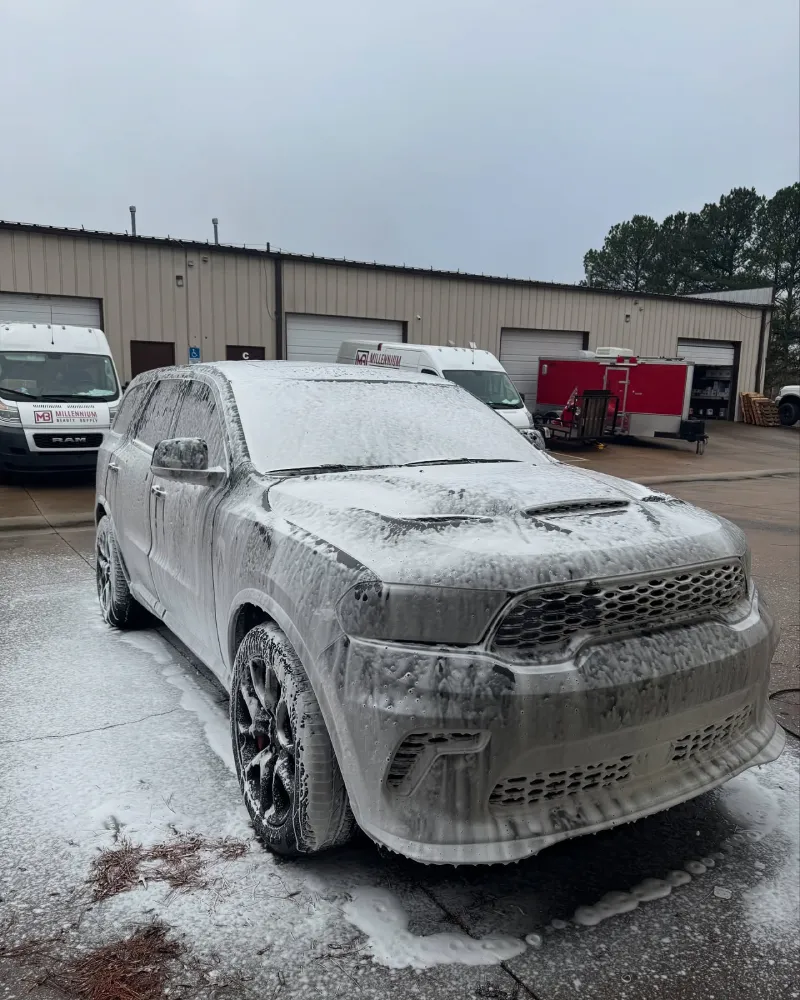
Dirt, dust, and grime slowly degrade a vehicle’s paint, interior surfaces, and protective coatings when they are not regularly removed. This process begins at a

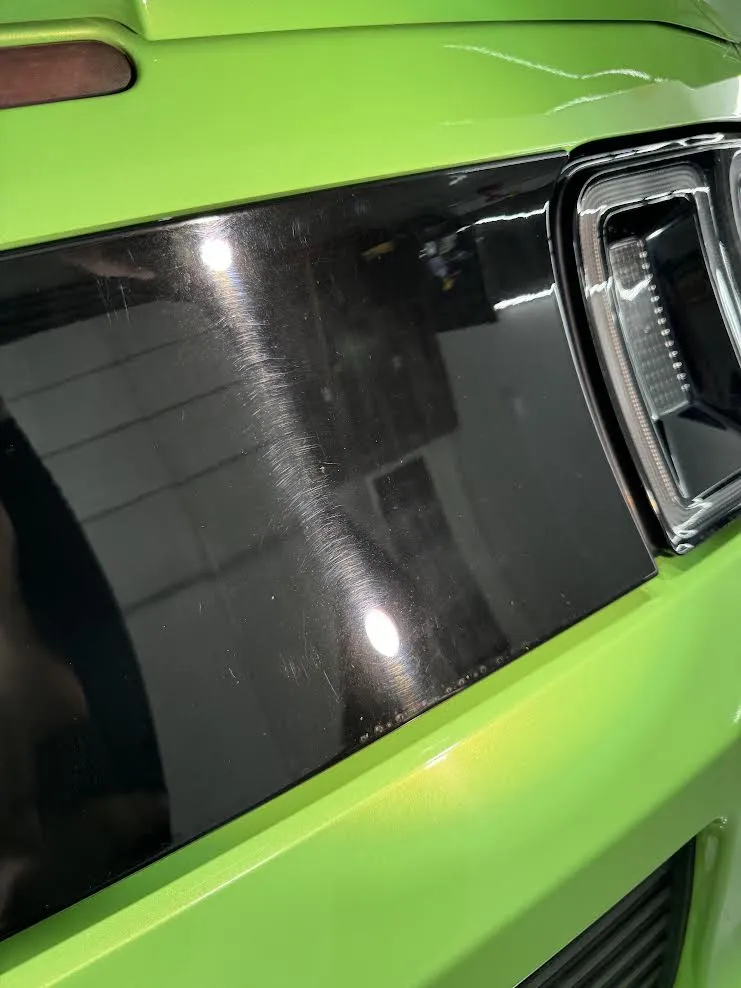
Paint correction restores a deep, reflective shine by permanently removing surface-level defects in your vehicle’s clear coat, such as swirl marks, oxidation, water spotting, and

Water spots and fading ruin your car’s appearance by damaging the clear coat, dulling the paint, and making the surface look older than it really

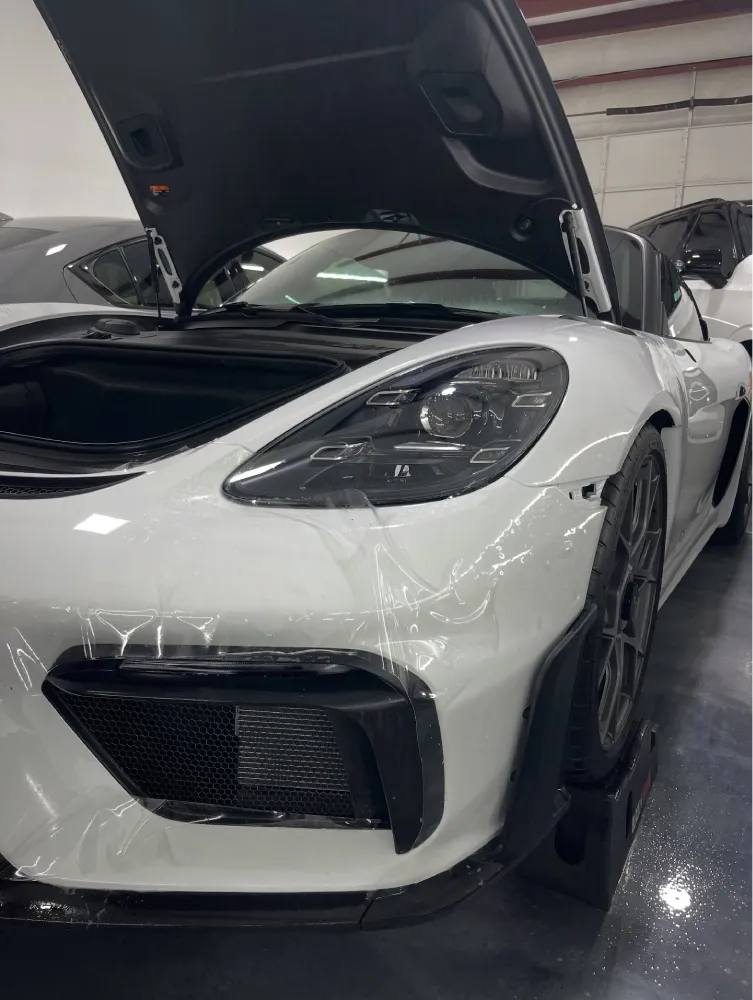
Investing in high-quality paint protection film is worth the cost because it provides a self-healing, optically clear barrier that prevents rock chips, chemical etching, and