
Paint protection film absorbs rock impacts by using a flexible polyurethane layer that deforms under force, spreads impact energy across its surface, and reduces the force reaching the vehicle’s paint. This transparent barrier helps prevent rock chips, scratches, and surface damage during everyday driving. However, protection depends on the film’s quality, thickness, installation, and the impact’s severity.
What Happens When a Rock Hits Paint Protection Film
When a small rock strikes an unprotected vehicle, the impact transfers energy directly into the painted surface.
Automotive paint consists of multiple layers, including primer, base coat, and clear coat. Although these layers provide durability and appearance, they have limited flexibility under concentrated impacts.
A sufficiently strong strike can fracture the clear coat or remove small portions of paint.
PPF changes how the impact reaches the vehicle.
Instead of allowing the rock to strike the painted surface directly, the protective material takes the initial contact.
Its flexible structure deforms momentarily, helping distribute the force over a wider area.
This reduces the likelihood that the impact will damage the paint underneath.
However, extremely sharp objects, large stones, or high-energy impacts can penetrate the material or damage the underlying finish.
How Does Paint Protection Film Absorb Impact Energy
Modern PPF uses engineered materials designed to provide flexibility, durability, and resistance to everyday abrasion.
Its protective capability comes primarily from the properties of thermoplastic polyurethane.
Flexible Polyurethane Construction
Polyurethane can deform under pressure and recover much of its original shape after the force is removed.
When road debris strikes the surface, the material temporarily changes shape rather than behaving like a rigid coating.
This flexibility lets it absorb certain impacts without tearing immediately.
Impact Energy Distribution
A rock striking a vehicle concentrates force within a small contact area.
The polyurethane layer helps distribute that force through the surrounding material.
Some impact energy is temporarily stored as the material deforms, while some is dissipated.
As a result, less concentrated stress may reach the underlying clear coat.
Material Thickness
Automotive PPF is typically much thicker than conventional ceramic coating layers.
Many standard automotive films are about 8 mils thick overall, although specifications vary by manufacturer and product.
That additional material provides a physical buffer between road debris and painted panels.
Thickness alone does not determine performance. Material formulation, elasticity, and installation quality also influence protection.
What Are the Different Layers of Paint Protection Film
Most modern automotive protective films use multiple layers, each with a different function.
| Film Component | Primary Function |
| Self-Healing Topcoat | Helps minor surface marks disappear under suitable conditions |
| Polyurethane Layer | Provides flexible protection against impacts and abrasion |
| Adhesive Layer | Secures the material to the vehicle’s painted surface |
| Release Liner | Protects the adhesive before installation and is removed during application |
The topcoat helps maintain appearance, while the polyurethane body provides much of the impact resistance.
The adhesive keeps the film securely positioned during normal driving.
These components work together to create a protective barrier without significantly changing the vehicle’s factory appearance.
Can Paint Protection Film Prevent Every Rock Chip
No. PPF significantly reduces the likelihood of many rock chips, but it cannot guarantee complete protection against every impact.
Its effectiveness depends on the size, speed, shape, and angle of incoming debris.
A small stone striking the film at moderate force may leave no permanent mark.
However, a larger, sharper rock traveling at high speed can potentially cut through the protective material.
The installation’s condition and quality also matter.
For example, a poorly adhered section may not perform as intended, particularly near vulnerable edges.
Understanding these limitations helps vehicle owners set realistic expectations.
The objective is to reduce damage from common road hazards, not make automotive paint completely impact-proof.
Why Is Paint Protection Film Important for Cumming Drivers
Drivers throughout Cumming encounter different road conditions that can expose vehicles to loose stones, debris, and repeated highway travel.
Georgia’s changing weather and active construction areas can also contribute to road contamination.
Residents of Windermere who regularly travel between residential streets and major commuting routes may encounter debris thrown by nearby vehicles.
Drivers living in Vickery may experience similar exposure during daily trips, particularly when following trucks or traveling through construction zones.
Meanwhile, vehicle owners around Polo Golf & Country Club may want extra protection for vehicles used often on local roads and longer commutes.
Although driving conditions differ, the risk of small impacts exists whenever loose debris contacts a moving vehicle.
For owners considering paint protection film in Cumming services, protecting high-impact panels can help preserve the vehicle’s original exterior finish.
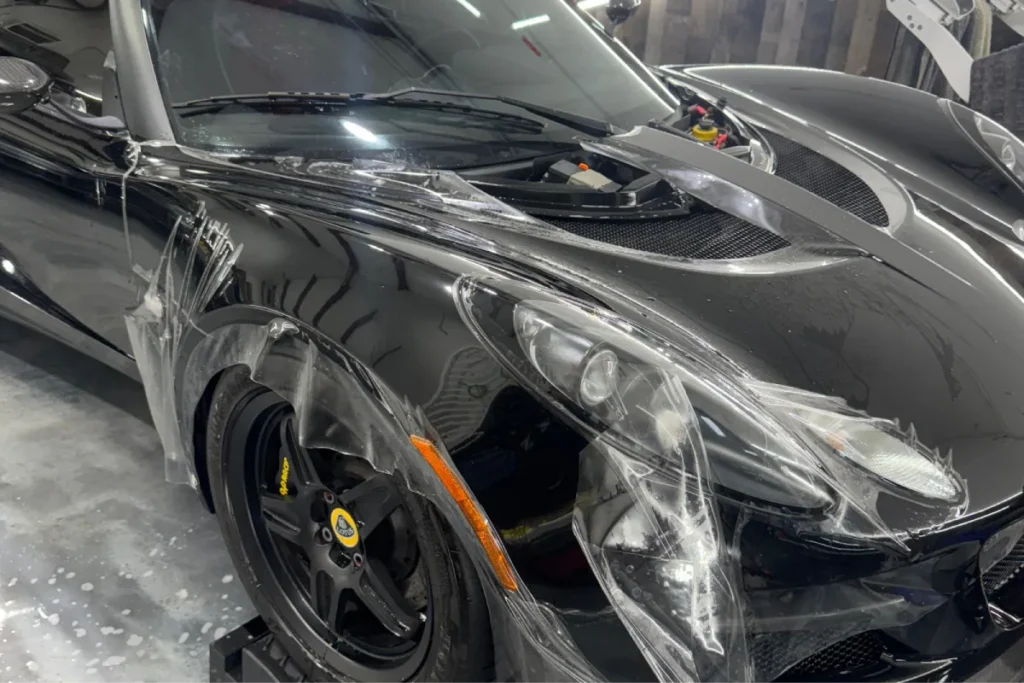
Which Vehicle Areas Benefit Most From Rock Impact Protection
Not every vehicle panel experiences the same level of exposure.
Forward-facing surfaces generally take more direct hits from airborne debris.
Common protection areas include:
- Front Bumper: Frequently exposed to rocks thrown by traffic.
- Hood: Vulnerable to airborne stones and highway debris.
- Front Fenders: Can receive impacts near the vehicle’s leading edges.
- Side Mirrors: Positioned where flying debris may strike.
- Rocker Panels: Exposed to stones thrown upward by tires.
- Rear Wheel Arches: May encounter debris from the vehicle’s wheels.
The appropriate coverage depends on the vehicle’s design, driving conditions, and protection goals.
How Does Professional PPF Installation Improve Protection
Even high-quality material may perform poorly when installed incorrectly.
Professional installation of Cumming GA paint protection film helps ensure proper fit, consistent adhesion, and reliable coverage of the intended vehicle surfaces.
At Done In Detail, the installation process emphasizes several important stages.
- Surface Preparation
The vehicle is cleaned and decontaminated to remove dirt and residue that could interfere with adhesion.
Paint imperfections may also require attention before installation.
- Precision Film Placement
The material is positioned to follow the vehicle’s body lines, corners, and curves.
Careful alignment helps provide consistent coverage while maintaining a clean appearance.
- Edge Finishing
Edges are carefully handled to reduce visible transitions and potential lifting.
Improper edge installation can leave areas vulnerable to exposure.
- Curing and Inspection
After application, the film requires an appropriate settling period.
The finished installation is inspected for positioning, trapped contamination, and edge adhesion.
- Aftercare Guidance
Owners receive maintenance recommendations to help preserve the film’s appearance and performance.
Professional application cannot make PPF indestructible, but proper preparation and installation support its intended protective function.
How Long Does Impact Protection Last
Professional paint protection film in Cumming GA can stay effective for several years with proper maintenance.
Its lifespan depends on material quality, environmental exposure, cleaning habits, and manufacturer specifications.
Some premium products carry warranties extending to 10 years, although warranty terms vary.
Regular cleaning helps remove contaminants that can affect the protective surface.
Owners should also avoid abrasive washing equipment and harsh chemicals that are incompatible with the installed product.
Periodic inspections can identify lifting edges, punctures, or damaged sections before additional problems develop.
If the film becomes severely damaged, professional replacement may be necessary.
Protect Your Vehicle With Done In Detail
Rock chips can permanently affect your vehicle’s paint, but a properly installed protective barrier can help reduce everyday damage.
At Done In Detail, we provide professional PPF installation with careful surface preparation, precise placement, and attention to long-term appearance.
Whether you drive a daily commuter, luxury sedan, sports car, truck, or SUV, our team can help you choose coverage based on your driving habits and protection priorities.
Explore our paint protection film services or contact us to request a free quote and learn more about protecting your vehicle’s original paint.
Frequently Asked Questions
Can Paint Protection Film Stop Rock Chips in Cumming, GA?
Yes. Paint protection film in Cumming, GA helps prevent many common rock chips by absorbing and distributing impact energy. However, particularly sharp or forceful impacts may still cause damage.
Is PPF Worth Installing for Highway Driving in Cumming, GA?
PPF can be valuable for Cumming, GA drivers who frequently travel on highways or roads with loose debris. It helps protect vulnerable panels from everyday impacts and surface abrasion.
Where Can I Get Professional PPF Installed in Cumming, GA?
Done In Detail provides professional PPF installation in Cumming, GA, with multiple coverage packages for different vehicles and protection needs.
Can a Rock Damage the Paint Under PPF?
Yes. A sufficiently strong impact can penetrate the protective material or transfer enough force to damage the paint underneath. PPF reduces risk but cannot eliminate it.
Does PPF Need Replacement After a Rock Impact?
Not always. Minor impacts may leave the film intact. However, punctures, deep cuts, or lifting sections should be professionally inspected to determine whether replacement is necessary.