
Paint correction can be performed as either a single-stage or multi-stage process. A single-stage service uses a single machine-polishing step to improve gloss and reduce light surface defects, such as swirl marks and haze. A multi-stage service follows a structured sequence of polishing steps to address deeper imperfections and achieve greater optical clarity and refinement. The primary difference is the level of correction: single-stage emphasizes efficiency and overall enhancement, while multi-stage aims for more comprehensive restoration and maximum refinement of the finish.
In professional detailing, the correct method is never chosen by default; it is determined by paint condition, defect severity, and measurable surface evaluation.
Single-Stage vs Multi-Stage Paint Correction at a Glance
Paint correction is a technical process, not just a cosmetic upgrade. The differences between single-stage and multi-stage approaches become clear when broken down into measurable categories.
| Category | Single-Stage Correction | Multi-Stage Correction |
| Process Structure | One polishing step | Multiple controlled stages |
| Defect Removal | Light to moderate | Moderate to severe |
| Finish Quality | Gloss enhancement | High-definition clarity |
| Time Requirement | Faster turnaround | Extended labor process |
| Abrasive Level | Medium-cut polish | Progressive compounds |
| Typical Use | Maintenance correction | Restoration-level correction |
A proper inspection is required before deciding on the approach, especially when evaluating real-world vehicle conditions rather than relying on assumptions.
What Single-Stage Paint Correction Involves
Single-stage correction is designed to correct light imperfections while improving gloss in a single polishing step. It is commonly used on well-maintained vehicles with minor swirl marks caused by washing or daily driving.
Typical Professional Workflow
- Pre-wash and chemical decontamination (iron and tar removal)
- Full paint inspection under LED lighting
- Paint condition assessment and test spot selection
- Machine polishing using a one-step compound or polish
- Wipe-down inspection to check clarity and uniformity
- Optional application of protection (sealant or coating prep)
Key Definitions
- Dual-action polisher (DA): A machine that oscillates and rotates to safely correct paint with minimal risk of burn-through.
- One-step polish: A product formulated to cut defects and refine finish in one pass.
- Clear coat: The transparent protective layer over automotive paint.
- Swirl marks: Fine circular scratches typically caused by improper washing techniques.
Real-World Insight
In everyday detailing work, single-stage correction is often selected for vehicles that are mechanically sound but visually dull. For example, daily-driven cars exposed to automated washes usually develop uniform light marring that responds well to a controlled one-step refinement without needing aggressive correction.
This is where services such as paint correction in Mars Hill Crossroad, GA, are typically applied in a conservative, enhancement-focused manner rather than for full restoration.
What Multi-Stage Paint Correction Involves
Multi-stage correction is a more advanced process used when paint defects are too severe for a single polishing step. It uses a combination of cutting, refining, and finishing stages to gradually restore surface clarity.
Standard Correction Stages
- Stage 1: Cutting
- Removes deep scratches, oxidation, and heavy swirl marks using abrasive compounds
- Stage 2: Polishing
- Refines haze and restores gloss after compounding
- Stage 3: Finishing (optional)
- Maximizes clarity and removes micro-marring for a high-reflective finish
Technical Definitions
- Cutting stage: The most aggressive polishing step used to level paint defects.
- Refining polish: A medium abrasive step that removes haze left by compounding.
- Micromarring: Ultra-fine haze caused by abrasive correction stages.
- Defect leveling: The controlled removal of surface imperfections within clear coat limits.
Real-World Insight
Multi-stage correction is often required when paint has been neglected for years or exposed to harsh environmental conditions. For example, vehicles stored outdoors for long periods often show uneven oxidation and embedded defects that require panel-by-panel correction rather than a single uniform pass.
In these cases, paint correction in Mars Hill Crossroad scenarios often requires layered correction strategies to achieve consistent results across all panels.
Key Differences Between Single-Stage and Multi-Stage Correction
Understanding the differences requires looking beyond terminology and focusing on outcomes and technical execution.
| Performance Factor | Single-Stage | Multi-Stage |
| Defect Removal Depth | Surface-level | Deep correction capability |
| Visual Improvement | Noticeable enhancement | Near-restoration clarity |
| Labor Intensity | Moderate | High |
| Paint Removal Level | Minimal controlled removal | Layered controlled removal |
| Finish Precision | Good | Exceptional |
A key takeaway is that multi-stage correction is not simply “better” it is more specialized and used only when necessary.
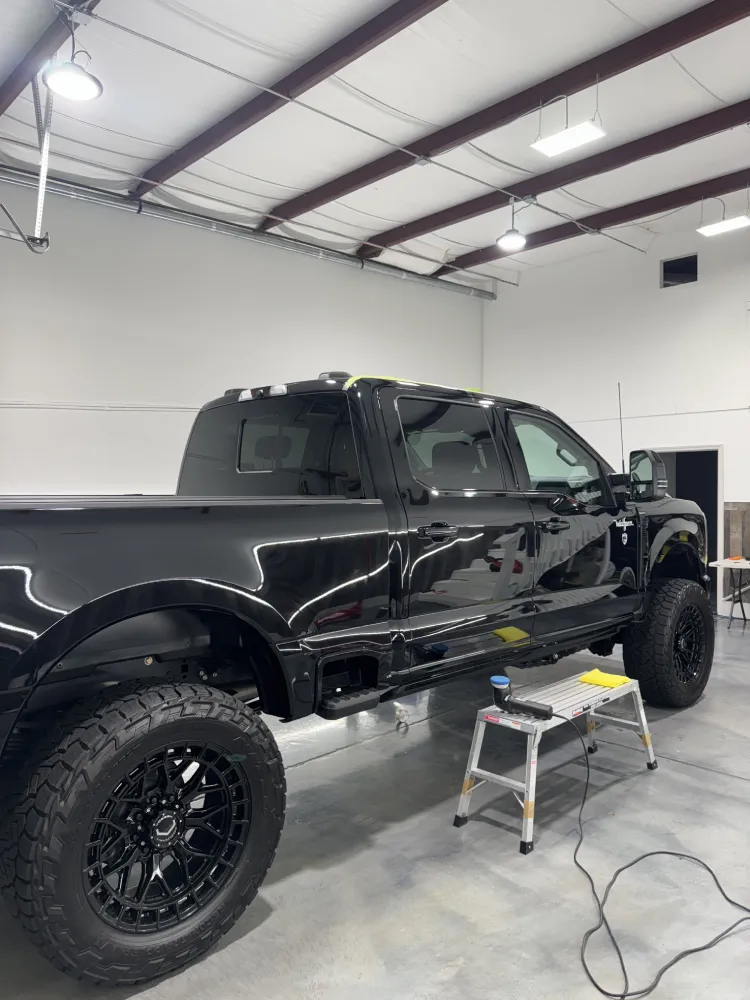
Misconceptions About Paint Correction
Myth 1: Multi-stage correction always removes too much paint
This is incorrect. Professional correction is controlled with paint-thickness gauges and test spots to ensure safe material removal. The process is measured in microns, not guesswork.
Myth 2: Single-stage correction is just a cheaper version of multi-stage
Single-stage correction is a strategic method designed for lightly damaged paint. Using multi-stage correction when it is not needed can be unnecessary and inefficient.
Myth 3: Polishing permanently damages the vehicle’s paint
When performed correctly, polishing removes only a very small amount of clear coat. The goal is defect removal within safe tolerances, not structural damage to paint layers.
Structured Decision-Making in Paint Correction
Professional detailers do not choose correction methods based on preference; they rely on a structured evaluation system.
This typically includes:
- Defect severity grading (light, moderate, heavy)
- Paint thickness measurement across panels
- Controlled test spot validation
- Pad and compound matching
- Risk assessment for clear coat preservation
This system ensures that the correct correction method is applied to each vehicle.
For example, in practical scenarios involving Mars Hill Crossroads GA paint correction, technicians often find that vehicles with similar appearances may require entirely different correction strategies once measured and inspected.
Environmental and Usage Factors That Affect Paint Condition
Paint condition is heavily influenced by real-world usage, not just age.
Common factors include:
- Automatic car washes creating uniform swirl patterns
- Sun exposure leading to oxidation on horizontal surfaces
- Road contaminants embedding into clear coat
- Improper previous polishing causing uneven haze
These variables directly impact whether single-stage or multi-stage correction is appropriate.
About Done In Detail
Done In Detail is a professional automotive detailing service specializing in precision paint correction, surface restoration, and long-term paint protection solutions.
Every vehicle undergoes a structured evaluation process before correction begins. This includes surface inspection under controlled lighting, paint thickness measurement when necessary, and test spot validation to determine the safest and most effective correction strategy.
The goal is not just visual improvement but controlled restoration that preserves clear coat integrity while achieving the highest possible clarity based on the vehicle’s condition.
When to Choose Single-Stage vs Multi-Stage
Single-Stage Correction is Ideal When:
- Paint has light swirl marks or haze
- The vehicle is relatively well-maintained
- The goal is gloss improvement rather than full restoration
- Time and cost efficiency are priorities
Multi-Stage Correction is Ideal When:
- Deep scratches or oxidation are visible
- The paint has been heavily neglected
- Previous correction work is uneven or unknown
- A high-end or show-quality finish is required
Professional Standards That Ensure Quality Results
High-level paint correction depends on precision tools and controlled processes:
- LED inspection lighting to reveal true defects
- Paint thickness gauges for safe correction limits
- Test spot methodology before full application
- Panel-by-panel correction mapping for consistency
These standards ensure predictable results and minimize risk to the vehicle’s finish.
In Summary
Single-stage correction is ideal for improving paint with minor imperfections, while multi-stage correction is better suited for vehicles requiring deeper restoration and finish refinement. At Done In Detail, the recommended approach is based on a careful evaluation of the paint’s actual condition, ensuring the right level of correction is performed without relying on assumptions or marketing terminology.
For a professional evaluation and a tailored correction plan, contact us today.
FAQ:
What is the main difference between single-stage and multi-stage paint correction?
Single-stage uses one polishing step for light defects, while multi-stage uses multiple steps for deeper restoration and refinement.
Is multi-stage paint correction safe for all vehicles?
Yes, when performed with proper measurement tools and controlled technique.
How long does each process take?
Single-stage typically takes a few hours; multi-stage may take a full day or longer depending on condition.
Can paint correction remove all scratches?
No. Scratches that penetrate beyond the clear coat cannot be safely removed.
How often should paint correction be done?
Most vehicles only require full correction once, followed by protective maintenance.