
Paint correction restores a car’s appearance by removing surface imperfections such as swirl marks, scratches, and oxidation, leaving the paint smooth and glossy. Through careful polishing and finishing techniques, this process can bring a vehicle close to its original factory finish without the need for repainting, helping owners preserve both its value and visual appeal over time.
Understanding Paint Correction
Paint correction is a professional detailing process that brings back the original clarity, depth, and shine of a vehicle’s paint. Unlike a standard wash or wax, it repairs the paint itself, tackling imperfections that build up over time. Common issues addressed include:
- Swirl marks caused by improper washing or drying
- Light scratches from everyday wear
- Water spots and mineral deposits
- Oxidation that dulls paint over time
- Faded or dull clear coat
During a recent inspection for a client in Cumming, GA, it was evident that even minor swirl marks can significantly reduce the paint’s reflective quality. Paint correction addresses these issues systematically, ensuring a uniform and vibrant finish.
Step-by-Step Process of Paint Correction
Paint correction involves multiple stages, each designed to gradually refine the vehicle’s paint. Understanding these steps helps car owners appreciate why the process is both effective and precise.
1. Inspection
The first stage involves a thorough inspection of the vehicle’s surface. Professionals use specialized lights and paint depth gauges to identify scratches, swirl marks, and areas of oxidation. By determining the severity and location of imperfections, the process can be tailored to achieve the best possible results.
2. Washing and Decontamination
Before any correction work begins, the vehicle is thoroughly washed to remove dirt, dust, and debris. Following this, a clay bar or similar decontamination tool is used to remove bonded contaminants that cannot be removed by washing alone. This step ensures that the polishing process does not drag debris across the paint, which could create new scratches.
3. Compounding
Compounding is the aggressive stage of paint correction. A specialized compound is applied with high-speed polishing equipment to remove deeper scratches, oxidation, and surface defects. This step restores clarity and smoothness to the paint, but it may leave minor micro-marring that will be refined in the next stage.
4. Polishing
Polishing removes the micro-marring left by compounding and refines the surface to a high-gloss finish. This step brings out the depth and clarity of the paint, producing a reflective, almost mirror-like appearance. Many vehicle owners are surprised at the dramatic difference this stage can make, especially on older or previously neglected cars.
5. Finishing and Protection
The final step involves applying a protective layer, such as a sealant, to enhance gloss and preserve the finish. While the restoration process refreshes the paint, this coating helps guard against future swirl marks and minor scratches, keeping the vehicle looking like new for longer.
Comparison: Paint Correction vs. Repainting
| Feature | Paint Correction | Repainting |
| Cost | Lower | Higher |
| Time Required | Hours to a few days | Days to weeks |
| Risk | Minimal | Moderate (color matching issues) |
| Longevity | Depends on care | Long-lasting if done properly |
| Visual Impact | Restores existing paint | Replaces paint completely |
Often chosen by car owners, paint correction revitalizes a vehicle’s appearance without the high cost or complexity of a full repaint. During a recent review for a client in Cumming GA, paint correction successfully restored an older vehicle’s faded paint without the risks associated with full repainting.
Misconceptions About Paint Correction
A common misconception is that this process can make any damaged or aged paint permanently flawless. While it can greatly improve the surface’s appearance, it cannot repair paint that has completely lost its clear coat or suffered structural damage. It’s a restorative treatment, not a permanent solution for failing paint.
Applying This to Solve the Problem
For car owners noticing dull paint or visible scratches, paint correction provides a structured solution:
- Inspection – Identify imperfections and areas needing attention.
- Washing and Decontamination – Remove surface dirt and bonded contaminants.
- Compounding – Correct deeper scratches and oxidation.
- Polishing – Refine the paint for a smooth, high-gloss finish.
- Finishing – Apply protection to maintain results.
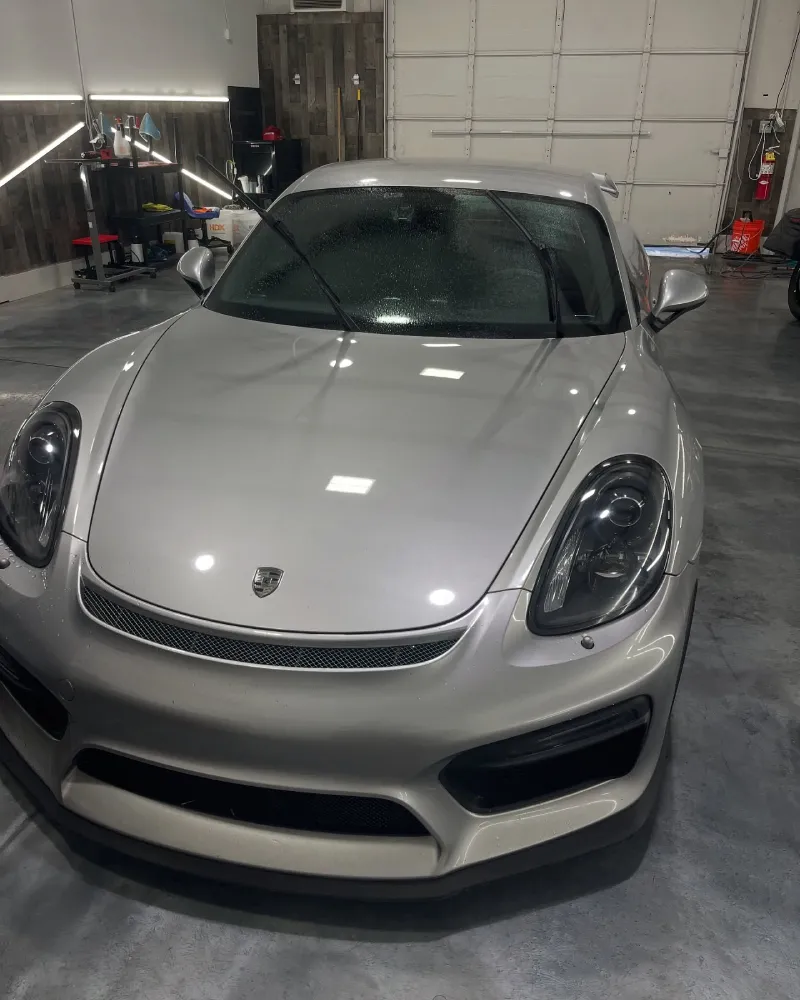
In practical terms, a vehicle suffering from swirl marks and minor scratches can regain a showroom-quality finish through this process. For residents seeking paint correction in Cumming, GA, this method effectively restores both appearance and value.
Benefits of Paint Correction
- Restores Original Shine – Corrects imperfections for a reflective, glossy finish.
- Increases Vehicle Value – Well-maintained paint adds to the vehicle’s resale value.
- Extends Paint Life – Reduces the likelihood of future oxidation or dulling.
- Eliminates Surface Defects – Removes scratches, swirl marks, and water spots.
- Customizable Levels – Multiple-stage correction can address mild to severe defects.
For many car enthusiasts in Cumming, paint correction provides a cost-effective way to maintain vehicles in top visual condition.
Practical Examples of Effectiveness
During a recent detailing project, a client requested paint correction in Cumming to address fine scratches on the doors and hood of an older sedan. After completing all stages of correction, the vehicle reflected light evenly, and minor imperfections were no longer visible.
In Summary
This precise and effective process restores a car’s paint to a like-new condition. Through careful inspection, washing, compounding, polishing, and applying protective coatings, imperfections are removed, and the paint regains its depth and shine. Vehicle owners in Cumming, GA, can trust Done In Detail to enhance both the look and value of their cars. Contact us today to schedule your appointment and keep your vehicle looking vibrant, reflective, and protected for years to come!
People Also Ask
What is the difference between paint correction and polishing?
Paint correction includes both compounding and polishing stages to remove deeper imperfections, whereas polishing typically refines the surface.
How often should paint correction be done?
Frequency depends on the condition of the paint and maintenance habits, but most vehicles benefit from paint correction every few years.
Can paint correction remove all scratches?
Paint correction removes most surface scratches and swirl marks, but it cannot restore deeply damaged paint or paint that has lost its clear coat.
Is paint correction safe for all types of car paint?
Yes, paint correction can be adapted to various paint types, but techniques and compounds may vary depending on the hardness and type of paint.