
Ceramic coating generally provides longer-lasting protection and stronger resistance to environmental contaminants than a traditional paint sealant. Paint sealants can still be useful for short-term gloss and protection, but ceramic coatings create a more durable protective layer that can make vehicle maintenance easier over time.
Ceramic Coating vs. Paint Sealant: What Is the Difference
The biggest difference is durability and how each product interacts with the paint surface. Both protect automotive paint, but they use different technologies and offer different levels of longevity.
A paint sealant is typically a synthetic polymer product designed to bond to the paint and create a protective layer. It can enhance gloss, improve water repellency, and provide protection against everyday contamination.
Ceramic coating uses a liquid coating containing ceramic-based chemistry that cures into a more durable layer on the paint. When professionally installed over properly prepared paint, it can provide stronger chemical resistance, hydrophobic behavior, and longer-lasting protection than conventional sealants.
| Feature | Ceramic Coating | Paint Sealant |
| Durability | Long-term | Shorter-term |
| Hydrophobic behavior | Strong | Moderate to strong |
| Chemical resistance | High | Moderate |
| Gloss enhancement | Excellent | Good |
| Maintenance benefits | Excellent | Good |
| Application | More involved | Generally simpler |
| Paint preparation | Important | Usually less intensive |
For owners comparing ceramic coating in Drew, GA, with a conventional sealant, the right choice depends on how long they want the protection to last and how much maintenance they are willing to perform.
How Long Does Each Paint Protection Option Last
Durability is one of the clearest advantages of ceramic coating. A quality paint sealant may provide protection for several months, depending on the product, environmental exposure, washing methods, and maintenance routine.
A professional ceramic coating can stay effective much longer when the paint is properly prepared and the coating is maintained according to the manufacturer’s requirements.
However, ceramic coating is not permanent or maintenance-free. Regular washing is still necessary because dirt, road film, mineral deposits, and other contaminants can accumulate on the surface.
Factors That Affect Coating and Sealant Longevity
- Frequency of washing
- Type of car wash products used
- Exposure to sunlight and weather
- Environmental contamination
- Vehicle storage conditions
- Quality of surface preparation
- Product quality and application technique
This is why ceramic coating in Drew can be particularly valuable for owners who want long-term paint protection rather than repeatedly applying a temporary protective product.
Why Does Ceramic Coating Make Vehicle Maintenance Easier
One major benefit of ceramic coating is its hydrophobic behavior. Water tends to bead and move across the surface more readily, while dirt and other contaminants may be less likely to bond tightly to properly coated paint.
That doesn’t mean a coated vehicle can’t get dirty. Instead, the smoother protected surface can make routine cleaning more manageable.
A proper installation also starts before the coating is applied. Done In Detail describes a preparation process that includes cleaning, decontamination, and paint correction when necessary before coating application.
Definition List: Important Paint Protection Terms
Hydrophobic: The tendency of a surface to repel water rather than allowing it to spread across the surface.
Paint sealant: A synthetic protective product designed to bond to automotive paint and provide temporary protection and gloss.
Ceramic coating: A liquid protective coating that cures on the paint surface to provide durable protection, gloss, and water-repellent properties.
Paint correction: A polishing process used to reduce defects such as swirl marks, oxidation, and light scratches before applying protective products.
Is Ceramic Coating Better for Long-Term Paint Protection
For drivers prioritizing longevity, ceramic coating is generally the stronger option. Its cured protective layer can provide greater durability and resistance to environmental contamination than a conventional paint sealant.
This makes it particularly appealing to vehicle owners who want to preserve the appearance of a newer vehicle or maintain a high-end, performance, or enthusiast car.
Done In Detail emphasizes careful preparation and precision when working with luxury and performance vehicles, including attention to delicate paint systems and proper inspection before completing a project.
For drivers around Drew, GA, ceramic coating may make sense when the goal is long-term protection and easier routine maintenance.
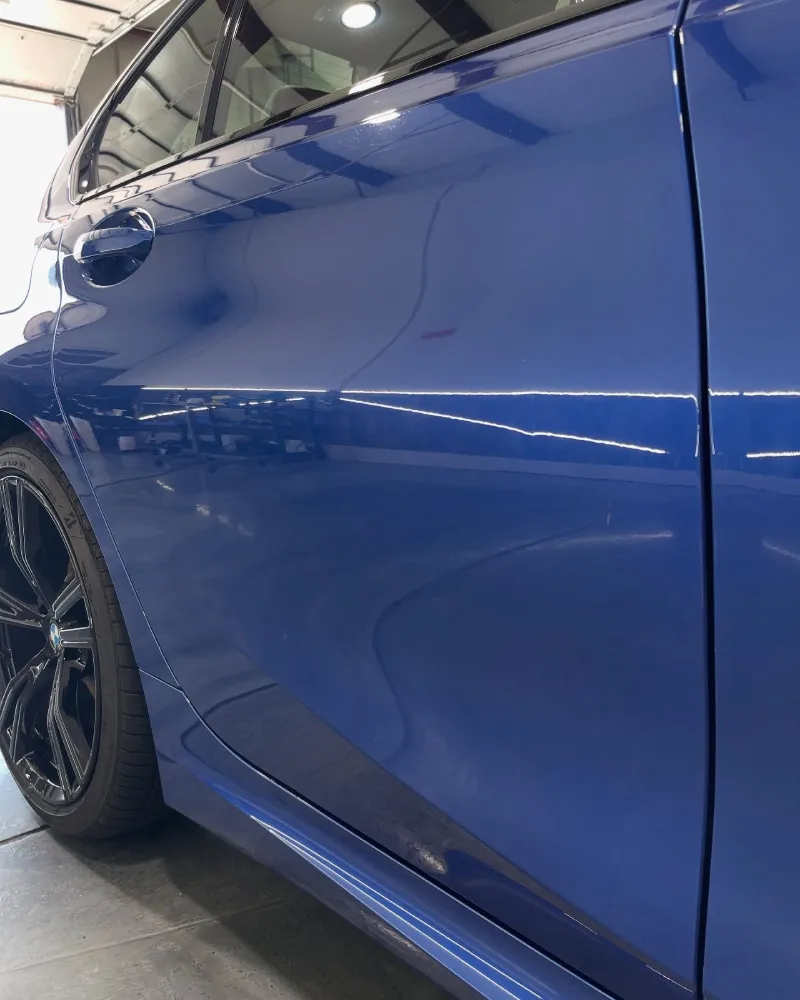
Common Myth: Ceramic Coating Makes Paint Scratch-Proof
Ceramic coating does not make automotive paint scratch-proof.
This is one of the most common misconceptions surrounding ceramic coatings. Although a cured coating can provide additional surface protection and resistance against certain contaminants, it cannot prevent all scratches, rock chips, dents, or physical impact.
For example, paint protection film is better suited to protecting vulnerable areas from impact damage caused by rocks and road debris. Ceramic coating is better understood as a surface-protection solution that enhances gloss, chemical resistance, water behavior, and ease of maintenance.
Understanding this distinction helps vehicle owners choose protection based on their actual driving conditions rather than exaggerated marketing claims.
When Should You Choose Ceramic Coating Over Paint Sealant
Ceramic coating is usually the better choice when durability, appearance, and easier maintenance are priorities.
Consider ceramic coating if you:
- Plan to keep your vehicle for several years.
- Want longer-lasting protection.
- Prefer strong hydrophobic properties.
- Want to reduce how strongly dirt and contaminants adhere to paint.
- Own a luxury, performance, or enthusiast vehicle.
- Want to preserve a polished finish after paint correction.
A paint sealant may be more appropriate when you want a simpler, lower-commitment protection option or prefer to refresh your vehicle’s protection more frequently.
The right decision ultimately depends on your vehicle, driving habits, storage conditions, and expectations.
Which Is Better for Your Vehicle
Ceramic coating is generally better than paint sealant when you prioritize long-term protection, gloss, hydrophobic performance, and easier maintenance. Paint sealants still have value for drivers who want simpler, shorter-term paint protection.
If you are considering ceramic coating from Done In Detail, start by evaluating your vehicle’s current paint condition, driving habits, storage environment, and long-term ownership plans. A professional assessment can help determine whether ceramic coating is appropriate and whether to complete paint correction beforehand.
Ready to Protect Your Vehicle?
Contact us today to discuss your vehicle’s condition, protection goals, and the best approach for preserving its finish. The team takes a consultative approach and focuses on explaining the advantages and limitations of each protection option rather than pushing unnecessary upgrades.
People Also Ask
Is ceramic coating worth it compared with paint sealant?
Ceramic coating can be worth the additional investment for owners who want longer-lasting protection, stronger hydrophobic performance, and easier maintenance. A paint sealant remains a practical choice for shorter-term protection.
Does ceramic coating protect against scratches?
Ceramic coating can provide some surface protection, but it does not prevent all scratches or impact damage. Paint protection film is generally better for protecting paint from rock chips and physical impacts.
Can you apply a paint sealant over ceramic coating?
Generally, a conventional sealant is unnecessary once a ceramic coating is installed. Maintenance products specifically designed to work with the coating are usually a better choice.
How should a ceramic-coated vehicle be maintained?
Use safe washing methods, appropriate automotive cleaning products, and regular maintenance. Avoid harsh chemicals or aggressive washing techniques that can unnecessarily wear the surface or introduce defects.