
The areas that should usually receive paint protection film first are the front bumper, leading edge of the hood, front fenders, side mirrors, and other panels exposed to road debris. These high-impact areas are more likely to encounter rocks, gravel, insects, and everyday road hazards, making them logical priorities when full-vehicle coverage is not necessary.
Which Vehicle Areas Need PPF First?
Not every panel receives the same amount of exposure. The front of a vehicle generally takes the greatest share of direct impacts because it faces debris moving toward the vehicle.
A practical priority order is:
- Front bumper: One of the most exposed areas for rocks, gravel, insects, and road debris.
- Hood: The leading section can receive direct impacts during highway driving.
- Front fenders: These panels can collect debris thrown outward by the front tires.
- Side mirrors: Their forward-facing position makes them vulnerable to impacts and road contamination.
- Rocker panels: Lower panels can encounter stones and debris kicked up by tires.
- Rear wheel areas: Paint around and behind the wheels can experience repeated debris impact.
- Door edges and cups: These areas are more vulnerable to contact scratches than rock chips.
This ranking is a starting point rather than a universal formula. A vehicle’s driving environment can change which panels deserve priority.
Why Does The Front Of A Vehicle Need The Most Protection?
The front end is directly exposed to hazards generated by traffic and the road surface. Highway driving can increase exposure because vehicles encounter debris at higher speeds, giving small objects more impact energy.
The front bumper is especially vulnerable because its shape and position make it a common impact zone. The hood and front fenders can also collect chips from gravel and other debris. Side mirrors face a different risk because their protruding shape is exposed to impacts from passing traffic and road debris.
For owners researching paint protection film in Cumming, this front-end exposure is an important consideration when deciding between partial and broader coverage. Protecting the highest-risk panels first can provide meaningful protection without requiring every painted surface to be covered.
Which Panels Should Be Protected Beyond The Front End?
The next priority depends on the vehicle and its driving habits. Rocker panels and areas around the wheel arches can be useful candidates for drivers who frequently travel on roads where loose gravel, sand, or debris is common.
Lower doors may also deserve consideration because they sit closer to the road. Performance vehicles with low ride heights can have different exposure patterns than larger SUVs or trucks.
Side mirrors are another practical addition. Although they are smaller than the hood or bumper, their forward-facing position makes them susceptible to impacts. Door cups and edges serve a different purpose: they help reduce visible contact marks caused by fingernails, keys, rings, and repeated entry and exit.
PPF Coverage Options Compared
The right package depends on how much protection you need, not simply on choosing the largest option.
| Coverage Option | Best For | Main Advantage |
| Partial Front | Targeted protection | Focuses on high-impact areas |
| Full Front | Daily drivers | Broader front-end coverage |
| Track Package | High-impact driving | Extends protection beyond basic front coverage |
| Full Vehicle | Maximum coverage goals | Protects most painted exterior surfaces |
For paint protection film in Cumming GA, choose coverage based on your vehicle’s exposure and protection goals. Full coverage suits owners seeking broader protection, while targeted coverage can focus on high-risk areas.
How Should You Prioritize PPF Based On Driving Habits?
Driving habits can be more useful than vehicle type alone when determining coverage.
Daily Commuters
Drivers who use major roads every day may benefit from prioritizing the front bumper, hood, fenders, and mirrors. Frequent mileage means more opportunities for debris impacts.
Highway Drivers
Highway mileage increases exposure to road debris. Full-front coverage may be worth considering when the vehicle regularly travels at higher speeds or covers significant distances.
Performance Car Owners
Performance vehicles can benefit from broader coverage because they may see more highway, winding-road, or spirited driving. Rocker panels and areas behind the wheels may deserve additional attention.
Long-Distance Drivers
Owners who frequently take road trips may want more coverage than someone who primarily drives short local routes. More miles create more opportunities for paint damage.
Should You Protect The Hood, Fenders, And Side Mirrors?
Hood
The hood is a high-priority panel because its forward-facing surface can receive direct impacts. Protecting only the leading edge provides targeted coverage, while full hood coverage protects more of the painted surface.
Front Fenders
Front fenders can collect debris thrown from the road and front tires. Coverage can be particularly valuable around areas that receive repeated impact exposure.
Side Mirrors
Side mirrors are small but exposed. Their position makes them sensible candidates when building a targeted protection package.
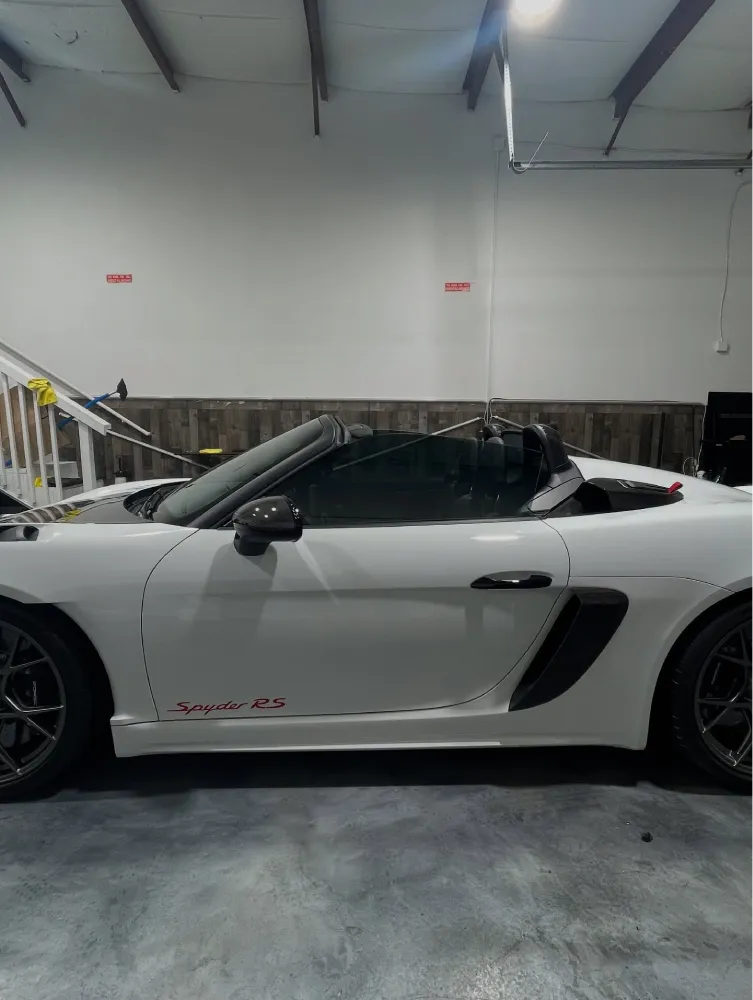
A professional paint protection film installer in Cumming GA can evaluate the vehicle’s condition and recommend coverage that fits its panel design, driving conditions, and protection needs.
How Much PPF Coverage Does Your Vehicle Actually Need?
There is no single coverage amount that works for every vehicle. Start by identifying the areas most likely to be damaged and then consider how much surrounding paint you want protected.
Use this decision process:
- Assess mileage: Higher annual mileage can increase exposure to road hazards.
- Identify driving conditions: Highways, construction areas, gravel roads, and mountain routes can increase impact risk.
- Consider vehicle value: Luxury, exotic, collector, and performance vehicles may justify broader protection.
- Inspect existing paint: Damage should be evaluated before film is installed.
- Set priorities: Protect the highest-risk areas before adding lower-risk panels.
- Consider ownership plans: Long-term owners may benefit from broader protection.
An owner in Vickery may have different driving patterns from someone elsewhere in the area, so location alone should not determine the package. Driving habits and exposure remain more useful factors.
What Should Be Done Before PPF Installation?
Film performs best when installed on a properly prepared surface. Preparation can include washing, decontamination, inspection, and paint correction when necessary.
A typical preparation sequence includes:
- Thorough exterior washing
- Removal of bonded contamination
- Paint inspection
- Paint correction when needed
- Final surface preparation
- Precise film installation
- Curing and final inspection
Done In Detail emphasizes preparation and precision, including careful edge alignment, wrapped corners when possible, and inspection of each section.
This matters because film does not hide every paint defect. Installing it over contamination or unwanted defects can affect the finished appearance and make later correction more difficult.
Common PPF Myth: You Need Full-Body Film To Protect Your Paint
Full-vehicle PPF provides broader coverage, but it is not automatically necessary for every vehicle owner. A targeted package can make sense when the primary goal is protecting high-impact areas while managing the overall investment.
The important question is not whether more film is always better. Instead, ask which areas are most exposed and what level of protection matches your driving habits.
For example, a commuter who spends most of the week on highways may prioritize the full front. Someone who frequently drives on gravel roads may want additional lower-body coverage. An enthusiast seeking comprehensive protection may prefer full-vehicle coverage.
How Do Professional PPF Installers Determine Coverage?
A professional assessment should consider the vehicle’s body design, paint condition, driving habits, and desired level of protection. Complex curves, body lines, vents, sensors, and panel edges can influence how film is installed and where coverage is practical.
Done In Detail describes its approach as consultative and customer-focused. The company states that it explains PPF coverage options and helps owners choose based on their vehicle and driving habits rather than pushing unnecessary upgrades.
That approach is important because PPF is an investment in the vehicle’s exterior. The goal should be to create a coverage plan that addresses actual risk rather than simply maximizing the amount of film installed.
A vehicle owner in The Polo Fields might prioritize protection for regular highway commuting, while another owner may need broader coverage because of frequent long-distance travel. The same package is not automatically right for both vehicles.
Protect The Areas That Face The Most Risk
The front bumper, hood, front fenders, side mirrors, rocker panels, and wheel-area paint are logical places to consider first when prioritizing paint protection film. The highest-impact zones should generally receive attention before lower-risk panels, particularly when the goal is to balance protection and coverage.
The right PPF package ultimately depends on mileage, road conditions, vehicle type, paint condition, ownership plans, and personal protection goals. A well-planned installation does not have to mean covering every panel. It means protecting the surfaces that matter most to you.
For drivers researching paint protection film in Cumming GA, Done In Detail provides Partial Front, Full Front, Track Package, and Full Vehicle options. Its team emphasizes preparation, precise installation, careful inspection, and transparent recommendations.
Contact us today to discuss your vehicle, driving habits, and the PPF coverage that makes the most sense for your protection goals.
People Also Ask
What Part Of A Car Gets PPF First?
The front bumper is typically one of the highest-priority areas, followed by the leading edge of the hood, front fenders, and side mirrors.
Is Full Front PPF Better Than Partial Front PPF?
Full-front PPF provides broader protection, while partial coverage focuses on selected high-impact areas. The better option depends on driving habits, coverage goals, and budget.
Should You Put PPF On Side Mirrors?
Side mirrors are worthwhile candidates because their forward-facing position exposes them to road debris and impacts.
Is Full-Body PPF Worth It?
Full-body PPF can be worthwhile for owners seeking comprehensive protection, especially when preserving the original finish is a high priority. However, targeted coverage may be sufficient for owners focused on the most vulnerable areas.