
Paint correction should be performed by a professional because it involves carefully removing microscopic amounts of a vehicle’s clear coat to reduce paint defects without causing unnecessary damage. Professional technicians use specialized equipment, evaluate paint thickness and condition, and select the appropriate polishing methods to achieve consistent, long-lasting results while preserving the integrity of the finish.
Paint Correction Is More Than Simple Polishing
Many people assume paint correction is simply waxing or buffing.
In reality, paint correction is a controlled machine polishing process designed to reduce or remove:
- Swirl marks
- Light scratches
- Oxidation
- Water spot etching
- Surface haze
- Minor paint defects
Unlike waxes or glazes that temporarily mask imperfections, paint correction works by refining the vehicle’s clear coat.
Professional paint correction in Cumming, GA, begins with a detailed evaluation before any polishing takes place.
Every Vehicle Has Different Paint Conditions
No two vehicles require exactly the same correction process.
Professionals evaluate factors such as:
- Paint hardness
- Clear coat thickness
- Existing defects
- Previous repairs
- Overall paint condition
This information helps determine the safest and most effective correction method.
For example, a vehicle owner in Vickery may have light swirl marks that require only a single-stage correction, while another vehicle may need a more advanced multi-stage process.
Specialized Equipment Produces Better Results
Professional paint correction relies on equipment designed specifically for automotive finishes.
Technicians commonly use:
- Dual-action polishers
- Rotary polishers
- Multiple polishing pads
- Paint-specific compounds
- Professional lighting
These tools allow technicians to remove defects while maintaining control throughout the polishing process.
Consumer-grade products often lack the precision needed for consistent correction.
Paint Thickness Should Be Evaluated Before Polishing
Paint correction removes a very small amount of clear coat.
Because clear coat is limited, professionals often inspect the paint before beginning work.
This evaluation helps determine:
- Whether correction is appropriate.
- The severity of defects.
- Safe polishing limits.
- Areas that require extra caution.
- Expected results.
A careful inspection helps reduce unnecessary clear coat removal while preserving the long-term health of the finish.
Incorrect Polishing Can Damage Automotive Paint
Attempting paint correction without proper training can create new defects instead of eliminating existing ones.
Potential problems include:
- Swirl marks
- Holograms
- Uneven polishing
- Excessive clear coat removal
- Burned paint edges
Professional experience helps technicians avoid these issues through controlled polishing techniques.
Professionals Match Products to the Paint
Different vehicles require different polishing systems.
Experienced technicians select:
- Pad types
- Polishing compounds
- Machine speeds
- Pressure levels
- Finishing products
Matching these variables to the specific paint condition helps maximize correction while minimizing unnecessary material removal.
A vehicle owner in Windermere with a dark-colored vehicle may require different polishing techniques than someone with lighter paint because darker finishes often reveal imperfections more easily.
Paint Correction Prepares the Vehicle for Long-Term Protection
Paint correction is frequently completed before applying:
- Ceramic coating
- Paint Protection Film (PPF)
- Paint sealants
Correcting paint first creates a smoother, cleaner surface that helps protective products perform more effectively.
Professional paint correction in Cumming services often recommend completing correction before installing long-term paint protection.
Professional Results Help Preserve Vehicle Value
A professionally corrected finish offers several long-term benefits.
These include:
- Improved gloss
- Better paint clarity
- Reduced visible imperfections
- Enhanced curb appeal
- Improved appearance before protective coatings
For example, a vehicle owner in Polo Golf and Country Club preparing a luxury vehicle for ceramic coating may benefit from professional paint correction to achieve the highest possible finish quality.
Choosing an experienced professional helps ensure the paint is improved safely while maintaining the integrity of the vehicle’s original finish.
DIY vs. Professional Paint Correction
| DIY Paint Correction | Professional Paint Correction |
| Limited equipment | Professional polishing systems |
| General-purpose products | Paint-specific compounds and pads |
| Higher risk of mistakes | Experienced evaluation and technique |
| No paint thickness measurements | Paint inspection before correction |
| Inconsistent results | Controlled, predictable results |
| Greater risk of excessive clear coat removal | Proper defect removal while preserving clear coat |
While DIY products may improve a vehicle’s appearance temporarily, professional paint correction provides a more precise and controlled approach. Experienced technicians tailor the process to the vehicle’s paint condition, helping achieve better results while protecting the finish.
Paint Correction Terms Every Vehicle Owner Should Know
Understanding these common detailing terms can help you make informed decisions about restoring your vehicle’s paint.
- Paint Correction: A machine polishing process that helps remove or reduce swirl marks, oxidation, and minor paint defects by refining the vehicle’s clear coat.
- Clear Coat: The transparent protective layer over automotive paint that provides gloss and is refined during the polishing process.
- Swirl Marks: Fine circular scratches typically caused by improper washing, drying, or automatic car washes.
- Machine Polishing: The use of specialized polishers, pads, and compounds to improve paint clarity and reduce microscopic surface imperfections.
- Paint Thickness Gauge: A precision tool used to measure paint and clear coat thickness before polishing to help ensure a safe correction process.
- Holograms: Visible polishing trails or marks that may result from improper machine polishing or inadequate finishing techniques.
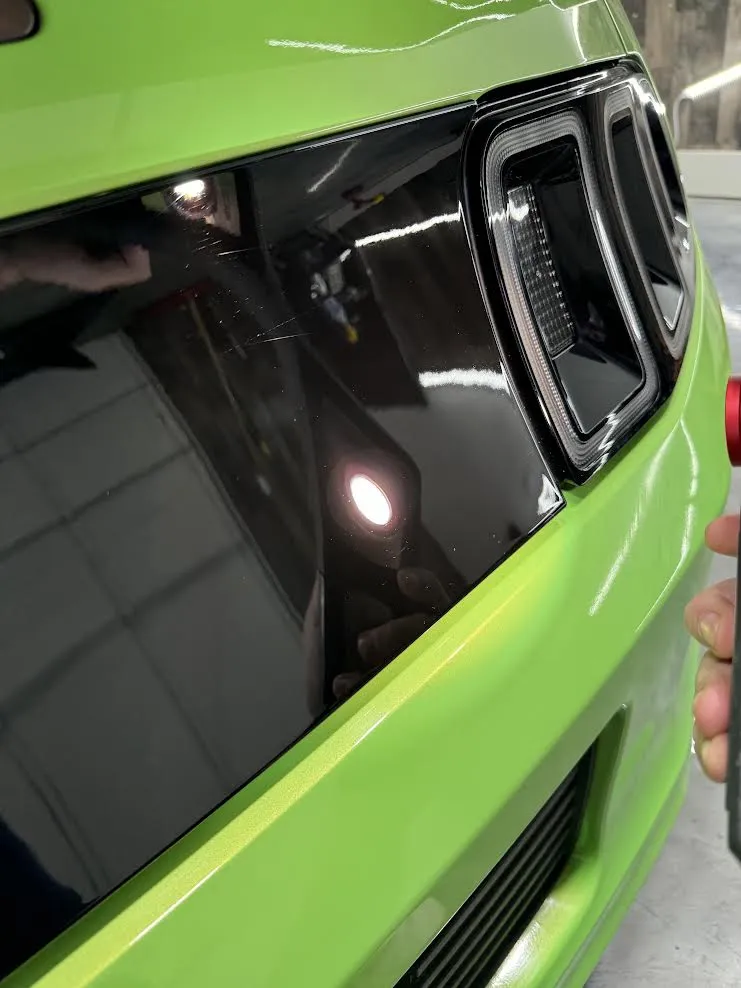
Myth: Paint Correction Is Just Waxing or Buffing
A common misconception is that paint correction simply involves applying wax or buffing the vehicle until it shines.
In reality, paint correction is a specialized machine polishing process that carefully removes microscopic amounts of clear coat to reduce or eliminate defects such as swirl marks, oxidation, light scratches, and surface haze. Unlike waxes and glazes, which temporarily conceal imperfections, it addresses many defects within the clear coat itself.
Professional Cumming GA paint correction services rely on proper lighting, paint evaluation, specialized equipment, and experienced techniques to achieve consistent, high-quality results while preserving the vehicle’s finish.
Tips for Achieving the Best Paint Correction Results
To maximize the benefits of professional paint correction:
- Schedule a professional paint inspection before polishing begins.
- Correct paint defects before applying ceramic coating or paint protection film.
- Choose an experienced detailer who uses professional polishing equipment.
- Avoid automatic car washes that can introduce new swirl marks.
- Wash your vehicle using proper hand-washing techniques after correction.
- Protect the corrected finish with ceramic coating or another quality paint protection product.
- Maintain the finish with routine detailing and safe cleaning practices.
Following these recommendations helps preserve the restored finish and reduces the likelihood of future paint defects.
In Summary
Professional paint correction is a precise process that requires experience, specialized equipment, and a thorough understanding of automotive paint systems. By carefully evaluating paint thickness, selecting the appropriate polishing methods, and using professional-grade tools, trained technicians can safely restore gloss while minimizing the risk of additional damage.
Professional paint correction helps restore gloss, improve paint clarity, and prepare your vehicle for long-term protection while preserving its finish and value.
For paint correction in Cumming, GA, trust Done In Detail for expert paint restoration and automotive detailing. Our team carefully assesses your vehicle and uses the appropriate correction process to achieve a smooth, high-gloss finish.
Contact us today to schedule a paint inspection and discover how professional paint correction can renew your vehicle’s finish and prepare it for long-term protection.
People Also Ask
Is professional paint correction worth it?
Yes. Professional paint correction uses specialized equipment, careful paint evaluation, and proven polishing techniques to improve the appearance of automotive paint while minimizing unnecessary clear coat removal.
Can paint correction remove all scratches?
No. Paint correction is highly effective at reducing or eliminating many light surface defects, but deeper scratches that extend beyond the clear coat may require additional repair or repainting.
Why is paint thickness measured before paint correction?
A paint thickness gauge helps technicians determine how much clear coat is available before polishing, allowing them to select the safest correction method for the vehicle.
Should paint correction be performed before ceramic coating?
Yes. Paint correction is commonly recommended before ceramic coating because it removes many surface imperfections, creating a cleaner, smoother surface for the coating to bond with.
How long do paint correction results last?
Results vary depending on maintenance, driving conditions, and washing techniques. Proper care and long-term protection, such as ceramic coating, can help preserve the improved appearance for an extended period.