
Dirt, dust, and grime slowly degrade a vehicle’s paint, interior surfaces, and protective coatings when they are not regularly removed. This process begins at a microscopic level, where fine particles settle into the pores of the clear coat, upholstery fibers, and textured trim. Over time, these contaminants act like mild abrasives and bonding agents, gradually breaking down protective layers and accelerating wear. What starts as an invisible buildup eventually becomes noticeable through dull paint, stained interiors, and oxidation on exterior surfaces.
Professional detailing interrupts this cycle by removing contaminants before they fully bond and cause lasting damage. It restores cleanliness while also helping reestablish protective barriers that shield surfaces from future exposure. Done In Detail follows this preventive maintenance approach, ensuring buildup is addressed early so the vehicle retains its appearance and material integrity for longer.
How Contamination Begins the Breakdown Process
Every time you drive, your vehicle is exposed to environmental particles that are more chemically and physically aggressive than they appear. These contaminants do not simply rest on the surface; they interact with heat, moisture, and paint chemistry to begin a slow degradation process that affects both protection layers and the clear coat.
Key sources of contamination include:
- Brake dust contains metallic micro-particles that can embed into paint and accelerate oxidation
- Road film is made from oil, fuel residue, exhaust byproducts, and fine particulates that form a sticky layer on surfaces
- Tree sap and bird droppings, which contain acidic compounds capable of etching the clear coat if left untreated
- Airborne industrial pollutants and dust that settle and bond over time, especially in high-traffic or urban environments
When these contaminants land on a warm vehicle surface, they begin bonding to the clear coat through heat-assisted adhesion. Sun exposure accelerates this process further, effectively “locking in” contamination and making future removal more difficult while increasing the risk of surface etching and long-term paint damage.
Exterior Paint Degradation Explained in Real Conditions
Paint deterioration is not random; it follows a predictable timeline based on exposure, cleaning frequency, and environmental conditions.
Paint condition timeline:
| Stage | Surface Condition | What’s Happening | Result |
| Stage 1 | Light dust layer | Loose particles on the surface | No visible damage |
| Stage 2 | Bonding begins | Particles adhere to the clear coat | Reduced gloss |
| Stage 3 | Chemical interaction | Acidic etching starts | Permanent spots |
| Stage 4 | Oxidation | Clear coat breakdown | Fading and dull finish |
Once oxidation occurs, correction typically requires machine polishing and sometimes multi-stage restoration rather than simple washing.
Interior Damage: The Hidden Wear You Don’t See Immediately
Interior surfaces degrade faster than most drivers realize because contaminants are trapped inside enclosed spaces.
How interior contamination develops:
- Dust enters through open doors and ventilation systems
- Particles settle into fabric fibers and seat stitching
- Movement grinds particles deeper into materials
- Heat and humidity accelerate the breakdown of adhesives and coatings
Over time, this leads to:
- Permanent staining on fabric seats
- Dry, cracked leather surfaces
- Faded dashboard and trim panels
- Persistent odors trapped in HVAC systems
Unlike exterior damage, interior degradation is often unnoticed until it becomes costly to reverse.
Automotive Protection, Committed to Preserving Your Investment
At Done In Detail, vehicle care is treated as a structured preservation process rather than routine cleaning. The objective is to maintain factory condition for as long as possible by slowing natural wear mechanisms and protecting both cosmetic and functional surfaces from long-term degradation.
This approach includes:
- Deep decontamination to remove embedded surface particles and bonded contaminants
- Protective coatings that reduce UV exposure, oxidation, and environmental etching
- Interior restoration processes that preserve material elasticity, color, and texture over time
- Maintenance planning tailored to real-world driving conditions, exposure levels, and usage patterns
By addressing both current contamination and future exposure risks, this method focuses on extending the service life of interior and exterior materials while maintaining a consistent vehicle appearance and surface integrity.
Why Dirt, Dust, and Grime Behave Differently
Not all contaminants damage vehicles in the same way. Their composition determines how aggressively they interact with surfaces.
Contaminant behavior comparison:
| Type | Composition | Behavior | Damage Impact |
| Dust | Fine airborne particles | Loose but abrasive | Moderate |
| Dirt | Soil and organic matter | Bonds with moisture | High |
| Grime | Oil + pollutants mix | Chemically adhesive layer | Very High |
Grime is particularly destructive because it forms a sticky layer that traps additional contaminants, accelerating surface breakdown.
Real-World Experience: What Professionals See Daily
In professional detailing environments, consistent patterns of wear appear across all vehicle types:
- Paint feels rough even after washing due to embedded particles
- Water stops beading because protective layers are weakened
- Black trim fades to gray from prolonged UV exposure
- Interior vents accumulate dust that recirculates through the airflow
These issues are not caused by age alone; they are directly linked to the buildup of contamination over time.
This is why structured maintenance programs, such as car detailing in Cumming, GA, are designed around prevention rather than correction.
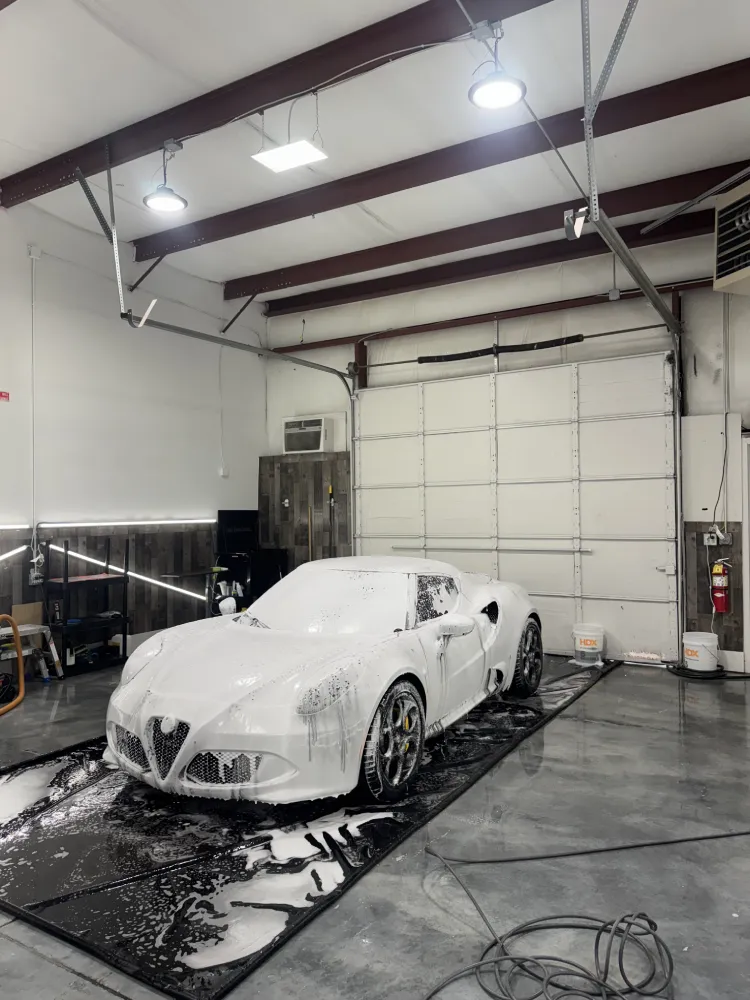
Maintenance Strategies Compared
1. Basic Washing Only
- Removes surface dirt only
- Leaves embedded contamination untouched
- No protective barrier restoration
- Leads to gradual deterioration
2. Inconsistent Cleaning
- Temporary improvement in appearance
- Allows contaminants to bond between washes
- Increases long-term restoration costs
3. Professional Detailing (Preventive Approach)
- Removes bonded contaminants safely
- Restores clarity and surface smoothness
- Applies protective layers to slow future damage
- Preserves long-term value and appearance
This is where structured approaches, like car detailing in Cumming, make a measurable difference in a vehicle’s long-term condition.
Why “Looks Clean” Is Not the Same as “Is Clean”
A common misconception in vehicle care is that visual cleanliness equals surface cleanliness. In reality, many damaging contaminants are invisible to the eye.
Even freshly washed vehicles may still contain:
- Embedded brake dust particles
- Acidic residue from rain and pollution
- Oil-based road film
- UV-reactive contaminants are bonded to the clear coat
These substances continue to degrade paint even when the surface appears clean.
Proper Cumming GA car detailing addresses contamination at a microscopic level, not just surface appearance.
Environmental Exposure and Driving Conditions Matter
Vehicle wear is heavily influenced by where and how the car is driven.
For example:
- Urban environments increase brake dust accumulation
- Highway driving increases the impact from airborne debris
- Tree-covered areas increase exposure to sap and organic acids
Even within the same region, conditions vary significantly. That is why Cumming car detailing needs are often customized based on driving habits, storage conditions, and seasonal exposure.
Structured Preservation System by Done In Detail
Done In Detail uses a systematic, multi-phase approach to long-term vehicle care, addressing contamination, surface degradation, and future exposure risks in a controlled sequence rather than as isolated services.
- Contamination Removal Phase
This stage focuses on eliminating bonded particles and embedded contaminants that standard washing cannot remove. It prepares the surface by breaking down road film, industrial fallout, and other adhered residues that interfere with proper restoration. - Surface Restoration Phase
Controlled correction techniques are used to restore gloss, clarity, and surface smoothness. This phase targets defects such as swirls, oxidation, and haze while carefully controlling material removal to preserve the clear coat’s integrity. - Protection Phase
Long-term protective layers are applied to reduce future contamination, bonding, UV exposure, and environmental wear. These barriers help stabilize the corrected finish and slow down the recurrence of surface degradation.
This structured system is designed for vehicle owners seeking sustained preservation outcomes rather than short-term cosmetic improvement, ensuring each stage builds toward long-term surface stability and appearance retention.
Cost of Neglect: What Happens Over Time
Ignoring contamination does not just affect appearance; it also significantly increases repair costs.
Long-term damage outcomes:
| Area | Result of Neglect | Required Correction |
| Paint | Oxidation and fading | Machine polishing or repainting |
| Interior | Staining and cracking | Deep restoration or replacement |
| Trim | UV degradation | Refinishing or replacement |
| HVAC | Odor and buildup | System cleaning |
Preventive care is consistently more cost-effective than corrective restoration.
Prevention Always Outperforms Restoration
Dirt, dust, and grime create a continuous cycle of degradation that slowly damages both the vehicle’s exterior and interior surfaces. Once this damage becomes visible, restoration becomes significantly more complex and expensive. Over time, contaminants bond more strongly to paint, trim, and upholstery, making them harder to remove without specialized processes. This also increases the likelihood of requiring correction rather than simple maintenance cleaning. Regular upkeep helps prevent this escalation by addressing buildup before it becomes embedded.
Done In Detail focuses on preventing long-term damage before it starts. Their professional detailing removes contaminants early, restores protective layers on your vehicle’s surfaces, and helps keep it in optimal condition over time.
Contact us today to schedule structured care for your vehicle.
FAQ (People Also Ask)
Why does dirt damage car paint?
It contains abrasive particles and reactive compounds that bond to the clear coat and gradually degrade it.
Is washing enough to protect my car?
No. Washing removes surface debris but does not eliminate embedded contaminants or restore protective layers.
What type of contamination is most harmful?
Grime is the most damaging because it chemically bonds to surfaces and traps additional debris.
How often should a car be professionally detailed?
Most vehicles benefit from detailing every 3–6 months, depending on driving conditions and exposure.