
Paint correction revives your car’s appearance by removing surface scratches, swirl marks, and oxidation, restoring the original shine and depth of the paint. This process enhances your car’s visual appeal and protects its value over time, ensuring it looks well-maintained and cared for.
What Is Paint Correction and Why Does It Matter?
Paint correction is a professional process designed to restore your car’s exterior finish by addressing imperfections such as swirl marks, light scratches, and hazing that naturally occur over time. Using controlled polishing techniques, it removes damaged layers from the paint’s surface without harming the underlying material, leaving a smooth, glossy finish. Beyond enhancing aesthetics, this process dramatically improves the vehicle’s appearance, helps protect its resale value, and extends the longevity of any protective coatings applied afterward, keeping the finish flawless for longer.
Step-by-Step Paint Correction Process
Paint correction is not a single-step procedure but a careful, multi-stage process. Understanding these steps can help you see why professional service is essential.
- Wash and Decontamination
The first step is thorough cleaning to remove dirt, tar, and other contaminants. This ensures that no debris interferes with the polishing process. Clay bar treatment is often used to eliminate bonded particles, leaving the surface smooth and ready for correction. - Paint Inspection
Before correction begins, the paint is carefully inspected under proper lighting. Swirl marks, scratches, and oxidation are identified and categorized. This step ensures that the right tools and techniques are used for each area of the vehicle. - Compounding
This stage involves removing surface imperfections through abrasive polishing. By carefully applying the compound, technicians eliminate scratches and hazing. The goal is to remove damaged clear-coat layers while preserving as much of the original paint as possible. - Polishing
After compounding, polishing enhances gloss and depth. This step refines the paint surface, removing any minor imperfections left by the previous stage. The result is a smooth, reflective finish that highlights the car’s color. - Finishing and Protection
Finally, the paint is treated with a protective layer to lock in shine and maintain the corrected finish. This step seals the paint and ensures that the visual improvements last longer.
During a recent audit for a firm in Cumming, GA, technicians noted that following each step precisely led to a dramatic improvement in appearance and customer satisfaction. This is an example of effective paint correction in Cumming GA, in action.
Comparison Table: Before vs. After Paint Correction
| Feature | Before Paint Correction | After Paint Correction |
| Gloss & Shine | Dull and uneven | Deep, reflective |
| Surface Scratches | Visible swirl marks | Smooth and defect-free |
| Color Depth | Faded or hazy | Vibrant and rich |
| Resale Value Impact | Lower due to imperfections | Higher resale appeal |
This table shows how paint correction directly enhances both the visual appeal and long-term value of your vehicle.
Common Misconception: “Paint Correction Damages Your Car”
A frequent myth in the automotive industry is that paint correction removes too much clear coat and can damage the vehicle. Many car owners hesitate to pursue this process because of this belief.
In reality, professional paint correction is safe when performed with proper tools and techniques. Compounds and polishers are carefully selected based on the paint type and condition, and controlled application prevents excessive removal. When completed correctly, it restores the car’s finish without compromising the integrity of the paint.
Applying a Structured Approach to Solve This
A structured approach to Cumming GA paint correction is designed to optimize results with precision. By using digital analysis of a vehicle’s paint surface, technicians can identify microscopic imperfections that are not always visible under normal lighting. This data-driven method ensures that each section of the vehicle receives the exact treatment it requires.
How the Process Works
Digital Paint Mapping
The vehicle’s exterior is scanned to detect scratches, swirl marks, oxidation, and other paint defects. This process creates a visual map that highlights the severity and distribution of imperfections across the surface.
Correction Prioritization
Using the scan data, the most affected areas are addressed first. This improves efficiency and ensures that the most noticeable defects receive focused attention.
Optimized Polishing
Polishing stages are adjusted to match the paint’s condition. The appropriate abrasive levels and polishing durations are selected to safely correct defects while minimizing unnecessary paint removal.
Final Evaluation
After the correction process, a secondary inspection verifies that defects have been removed and confirms that the paint’s clarity, depth, and gloss have been maximized.
This systematic process demonstrates how modern paint correction service techniques can deliver precise, long-lasting improvements while preserving the integrity of a vehicle’s paintwork.
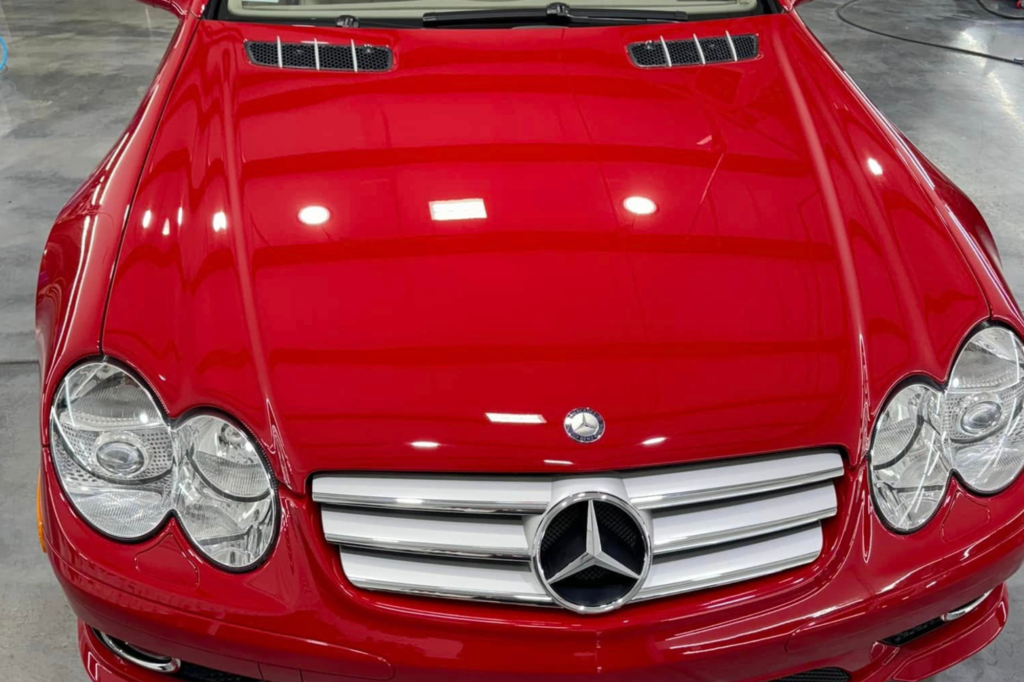
How Paint Correction Impacts Your Car’s Value
Paint correction contributes to both short-term and long-term value.
Short-Term Benefits
- Immediate Visual Enhancement: The car appears newer and well-maintained.
- Increased Buyer Interest: A flawless finish can attract potential buyers and increase perceived value.
Long-Term Benefits
- Paint Longevity: By removing imperfections and sealing the paint, the corrected surface remains protected for longer.
- Resale Value Preservation: Vehicles with well-maintained paint often command higher resale prices, reflecting the care invested in their upkeep.
During routine service, technicians emphasize that paint correction in Cumming can make a noticeable difference in both appearance and resale value.
Comparison Table: Value Added by Paint Correction
| Factor | Value Added |
| Minor Paint Correction | Enhanced shine and appeal |
| Full Paint Correction | Maximized resale and protection |
| Combined with the Protective Layer | Long-term depth and durability |
While costs vary by level of correction, the return in terms of visual improvement and value retention is significant.
In Summary
Paint correction at Done In Detail is essential for maintaining your car’s aesthetic and financial value. By removing swirl marks, scratches, and oxidation, it restores the paint’s original depth and gloss. Using advanced techniques in Cumming, GA, this process ensures precision, safety, and consistent results. Whether for personal satisfaction or resale, it is an investment that preserves your vehicle’s beauty and value.
Contact us today to schedule your professional paint correction and give your car the finish it deserves!
People Also Ask
What is the main purpose of paint correction?
Paint correction removes surface imperfections and restores the paint’s depth and shine, enhancing both appearance and resale value.
How often should paint correction be done?
Frequency depends on the car’s use and exposure, but generally, vehicles benefit from correction when scratches, swirl marks, or oxidation become noticeable.
Does paint correction work on all car colors?
Yes, paint correction can improve the finish of any color by removing imperfections and enhancing gloss and depth.
Is paint correction safe for my car?
When performed by professionals using proper techniques, paint correction is safe and preserves your vehicle’s paint integrity.